
California – June 2026
Queen Califia’s Magical Circle is one of Southern California’s most extraordinary public art installations. Located within Kit Carson Park in Escondido, the sculpture garden is the final major work of the celebrated Franco-American artist Niki de Saint Phalle. Completed after her death and opened to the public in 2003, it is the only sculpture garden she created in the United States.
The garden is inspired by the legendary Queen Califia, a mythical warrior queen first described in the 1510 Spanish chivalric romance Las Sergas de Esplandián (The Adventures of Esplandián) by Garci Rodríguez de Montalvo. According to the story, Califia ruled a fantastically wealthy island called California, inhabited by Amazons and filled with gold, precious stones, and mythical creatures. Spanish explorers later adopted the name “California” for the region they encountered along the Pacific coast, making the legend an enduring part of the state’s cultural identity.
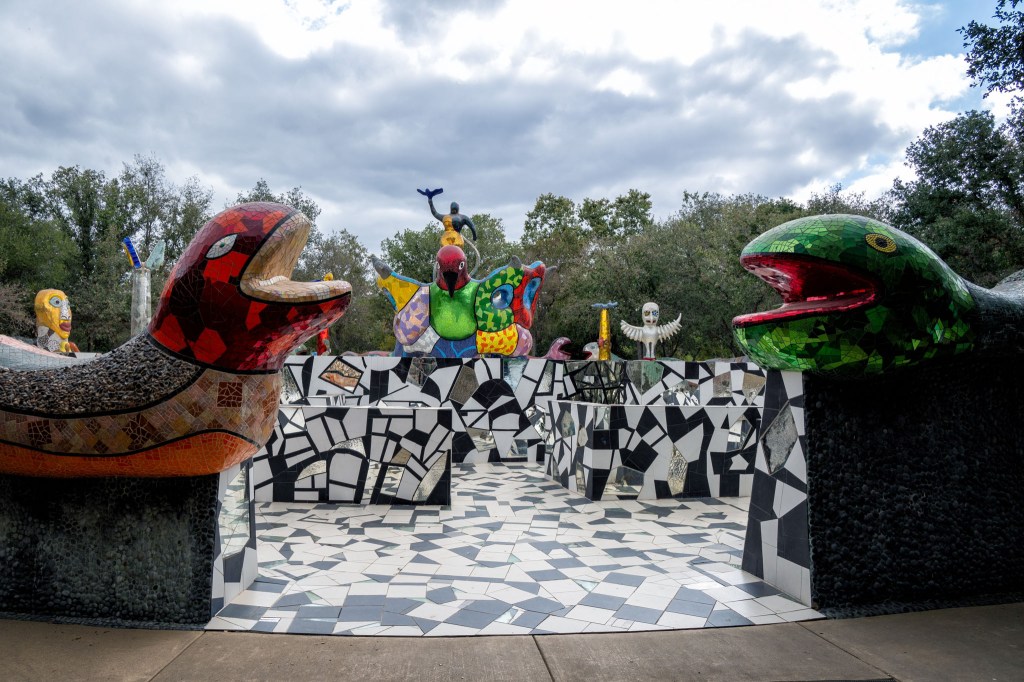
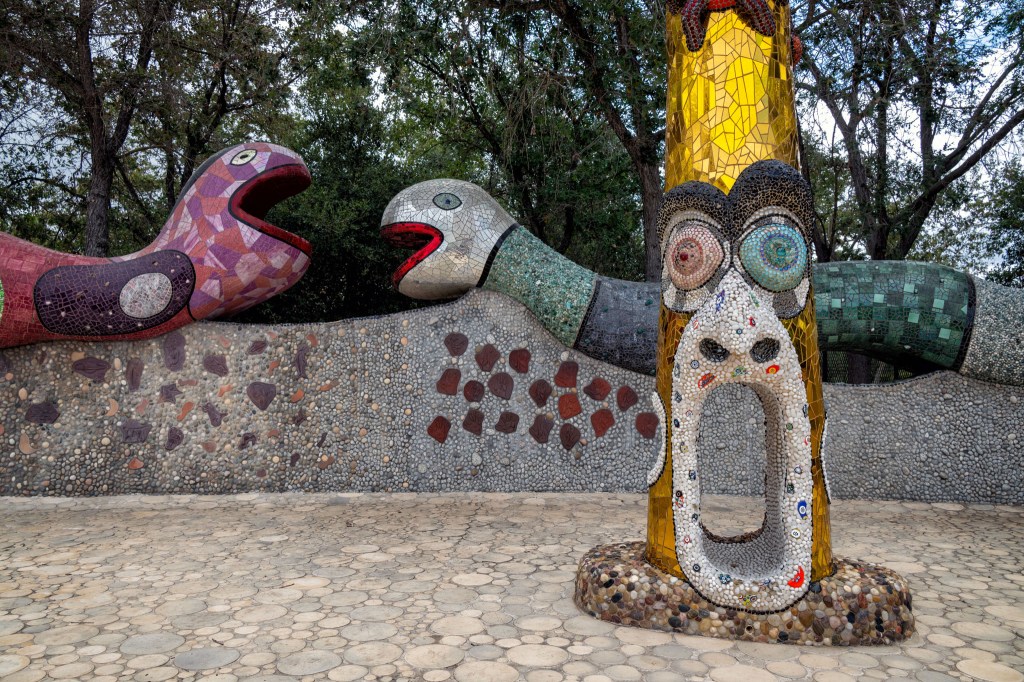
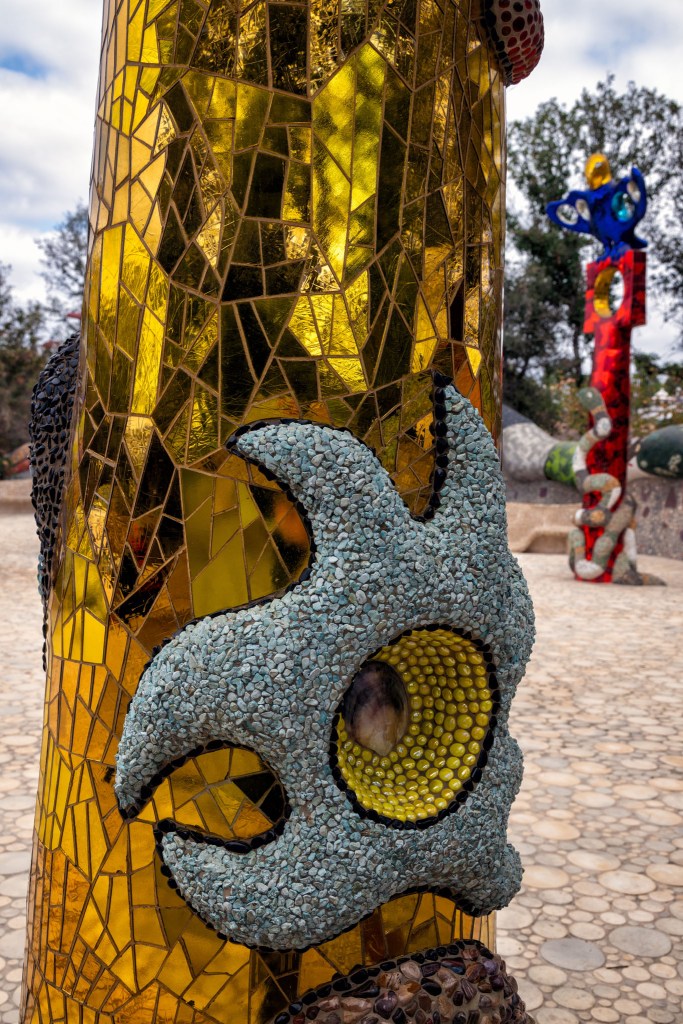
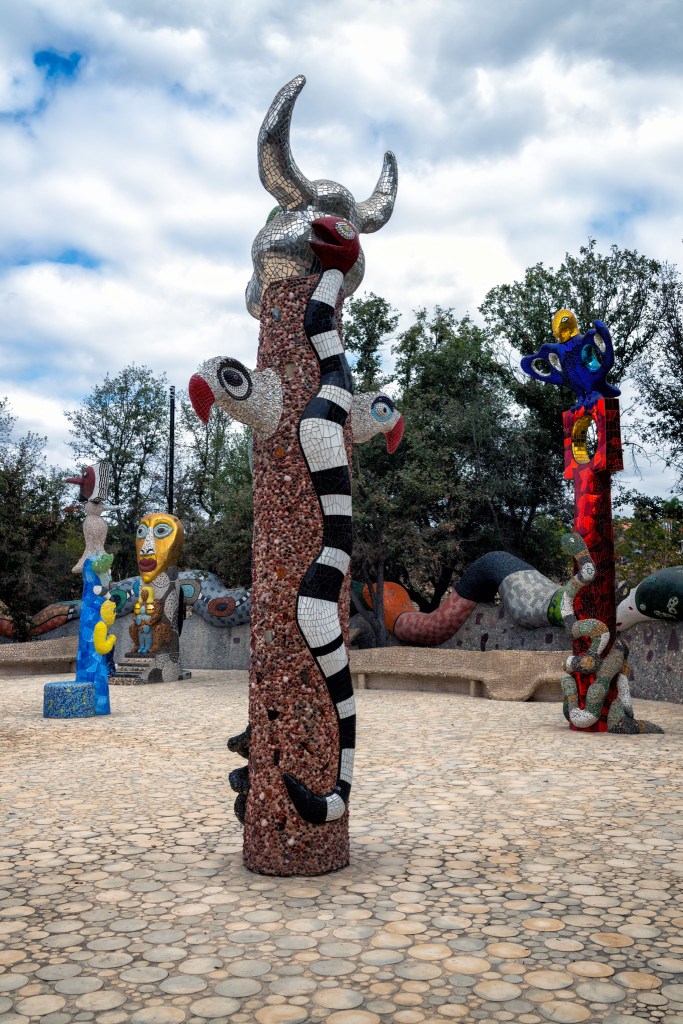
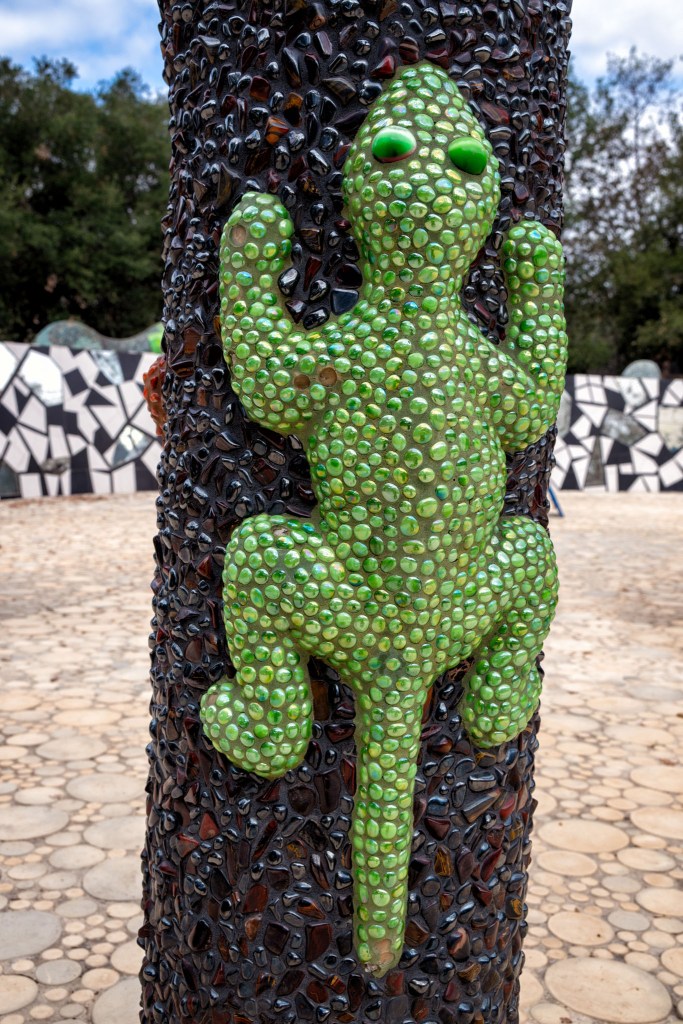
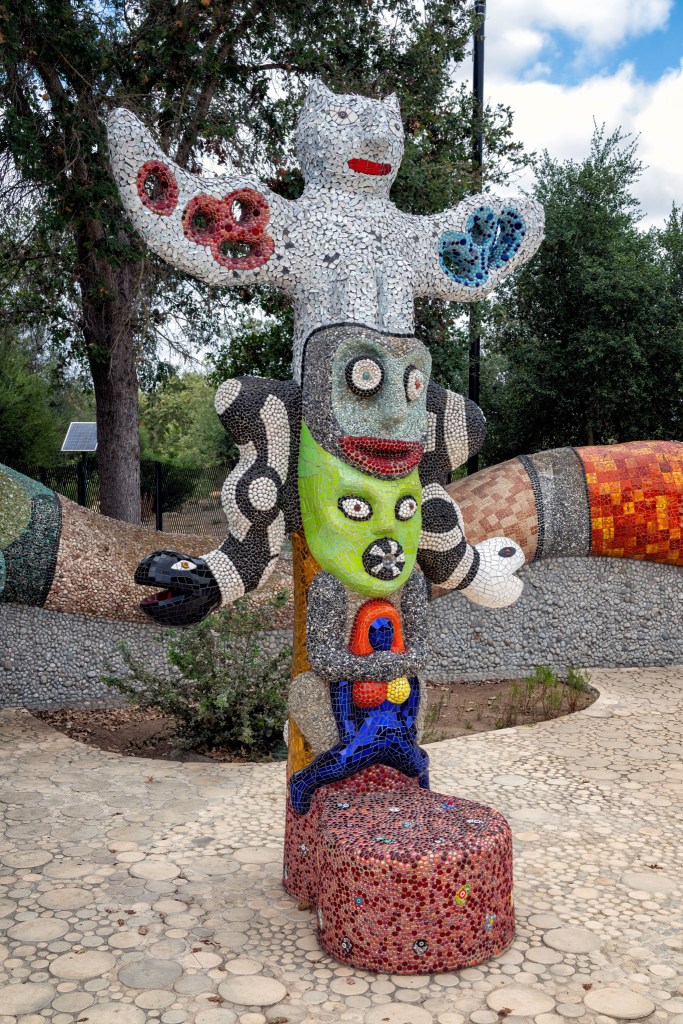
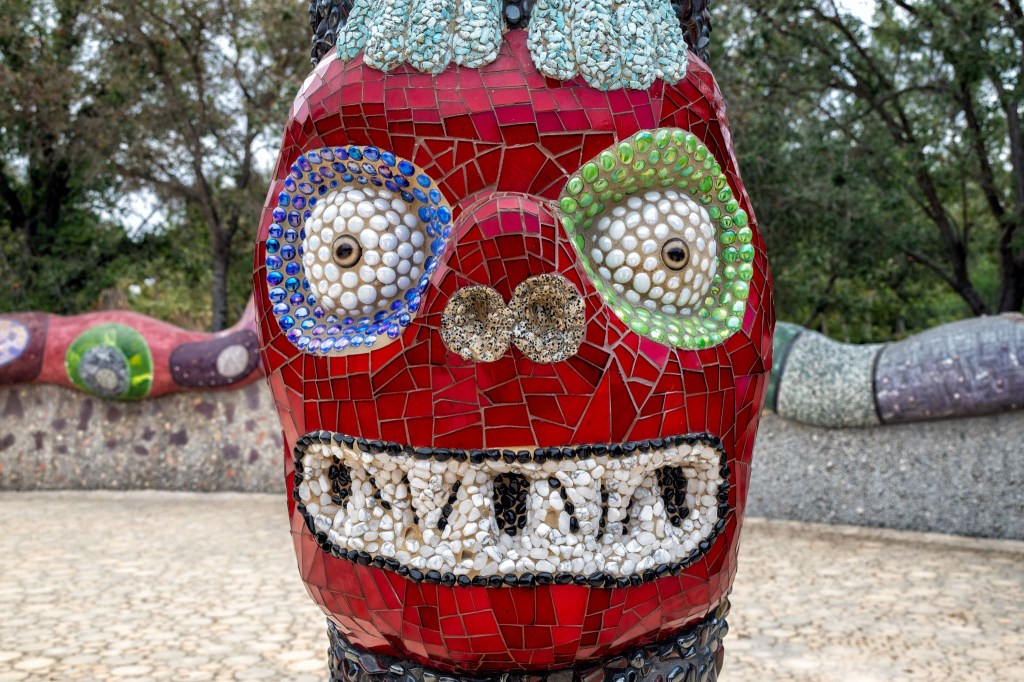
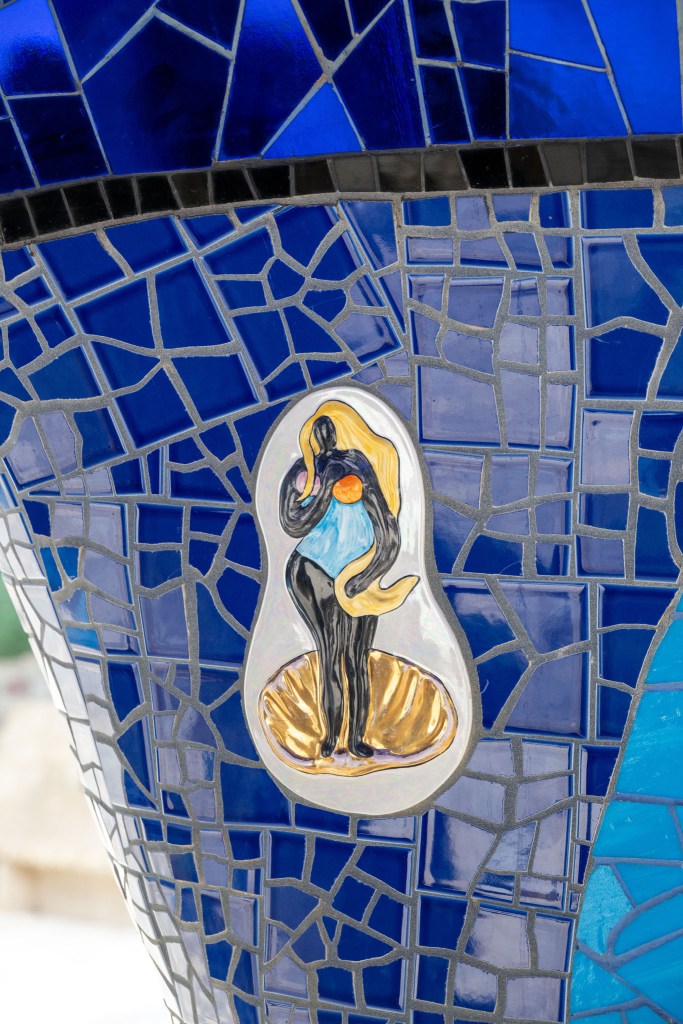
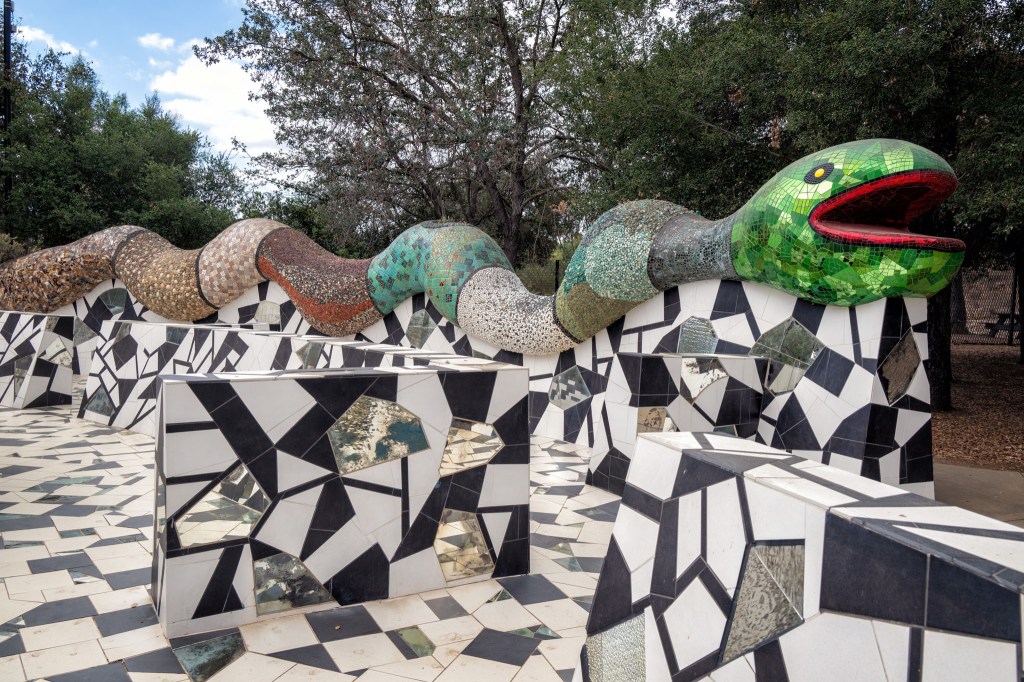
The sculpture garden occupies a circular space approximately 120 feet (37 meters) in diameter, enclosed by a sinuous 400-foot snake wall covered with thousands of pieces of brightly colored glass, ceramic tile, stone, and mirrored mosaics. Visitors enter through a winding mosaic labyrinth before emerging into a magical courtyard filled with monumental sculptures.
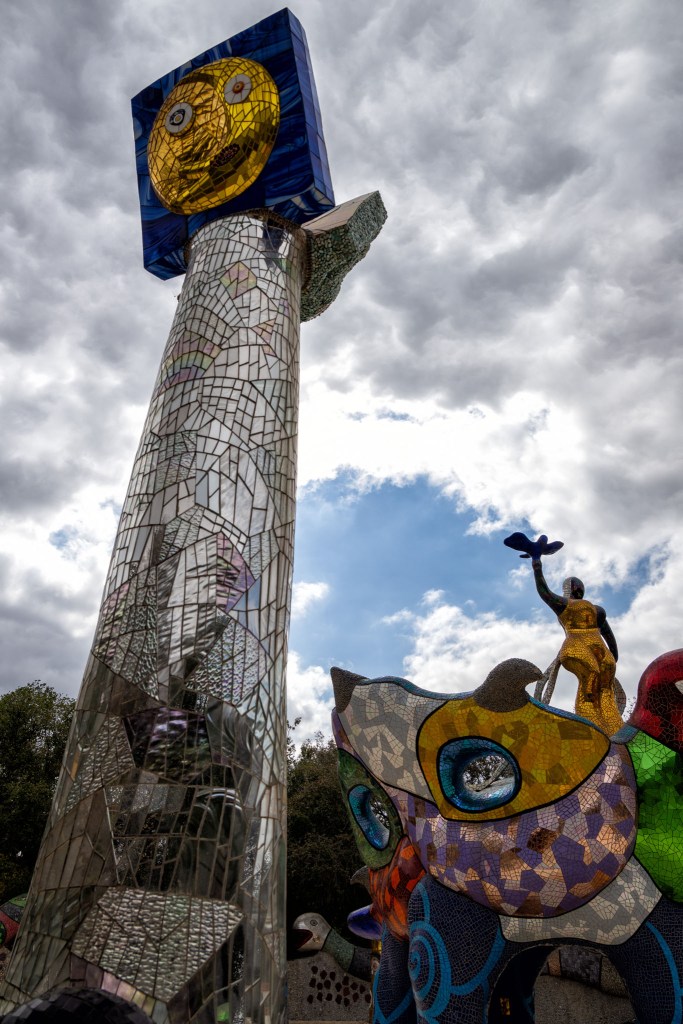
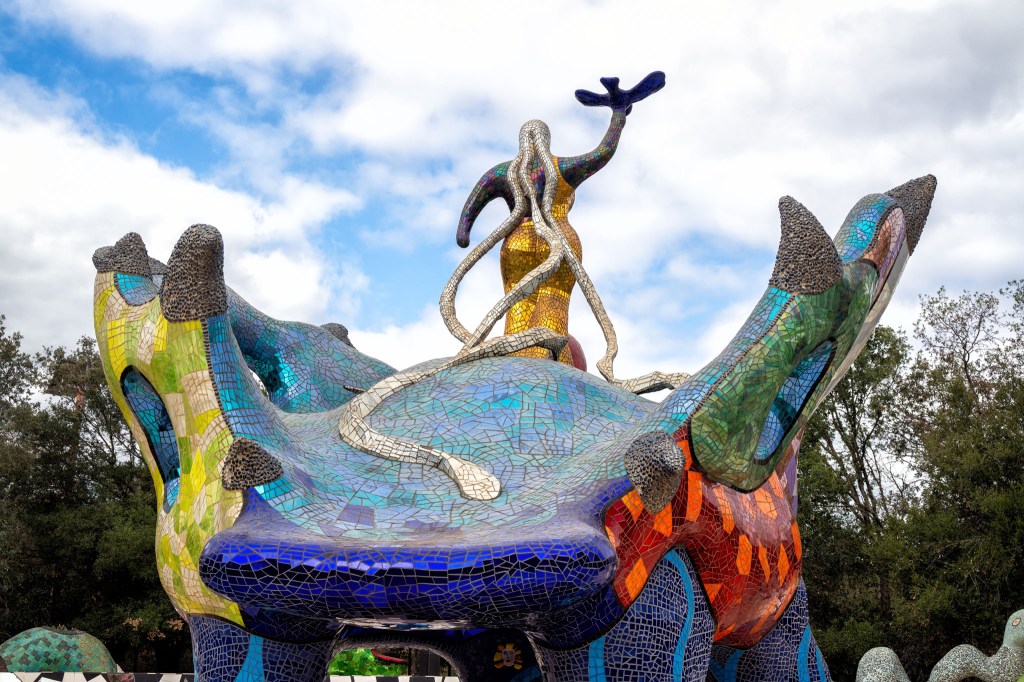
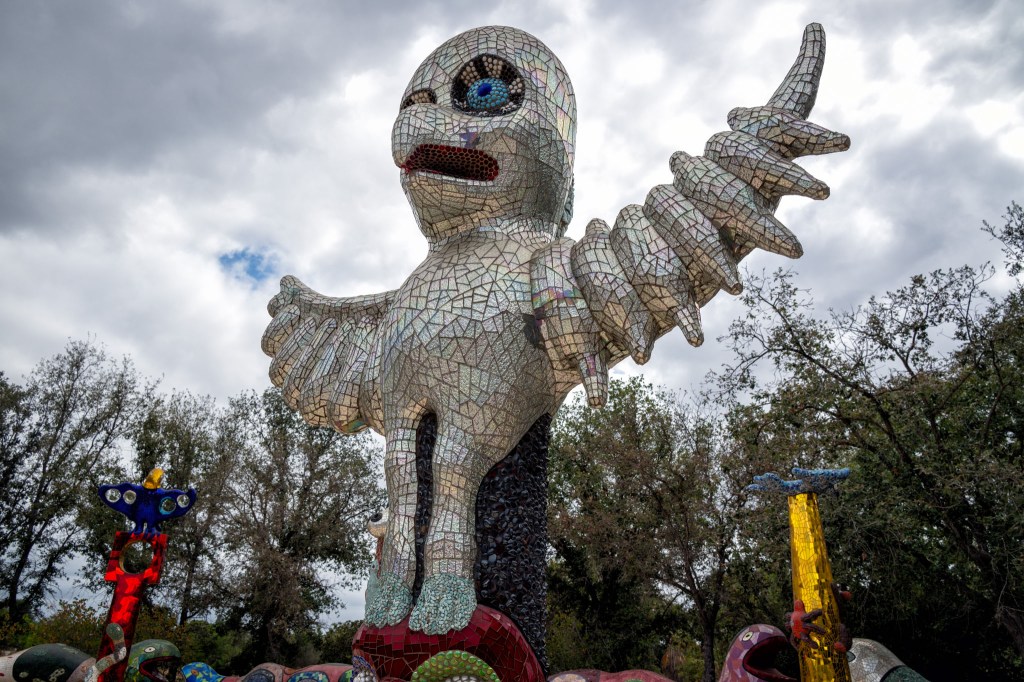
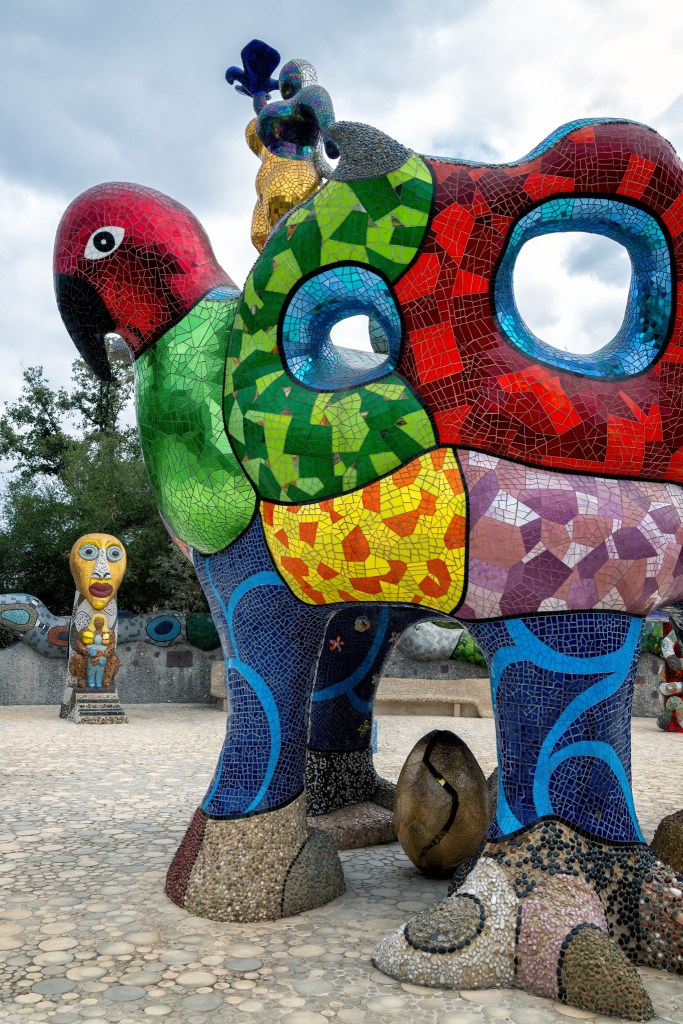
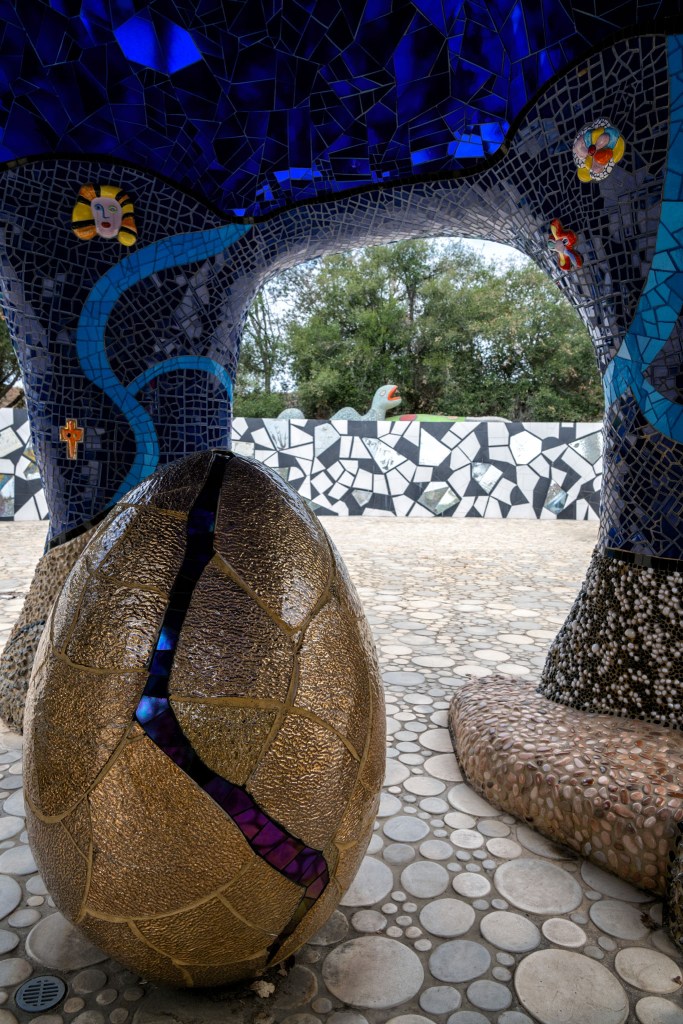
At the heart of the garden stands an 11-foot-tall Queen Califia, clad in shimmering gold mosaic armor and riding atop a colorful five-legged eagle. Beneath the eagle is a domed chamber decorated with celestial imagery, while nearby sits a golden egg-shaped fountain symbolizing birth, transformation, and renewal—recurring themes throughout Saint Phalle’s work.
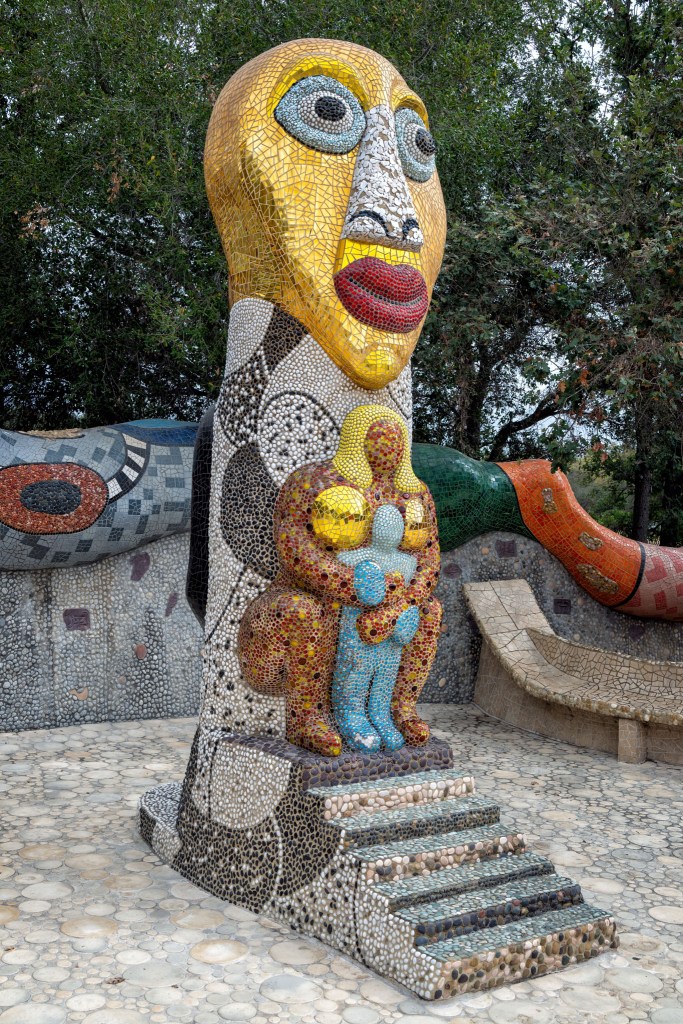
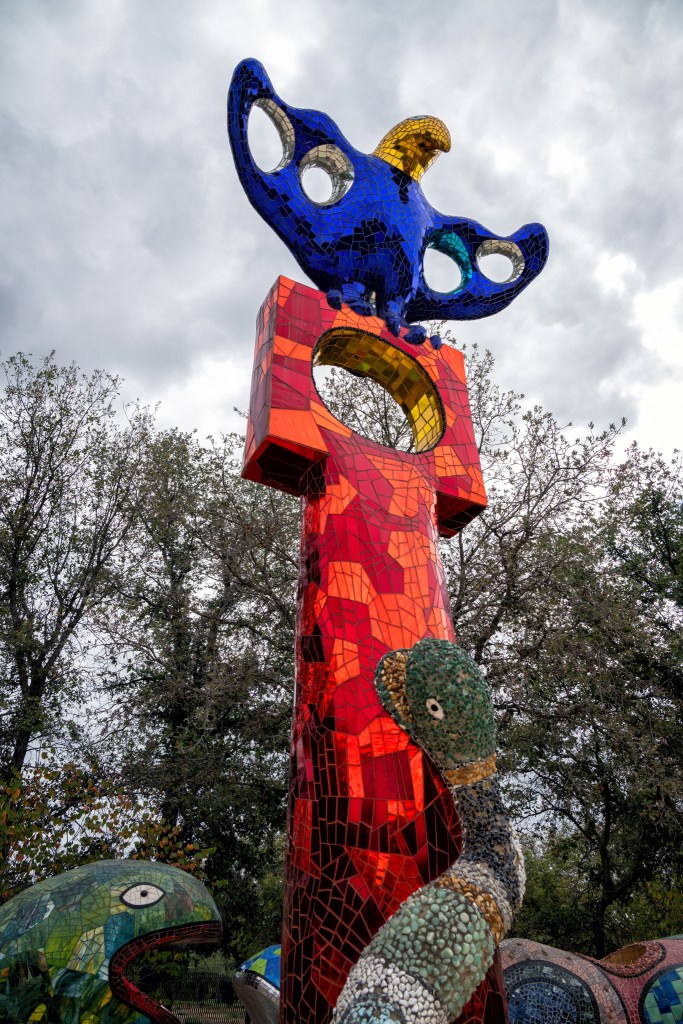
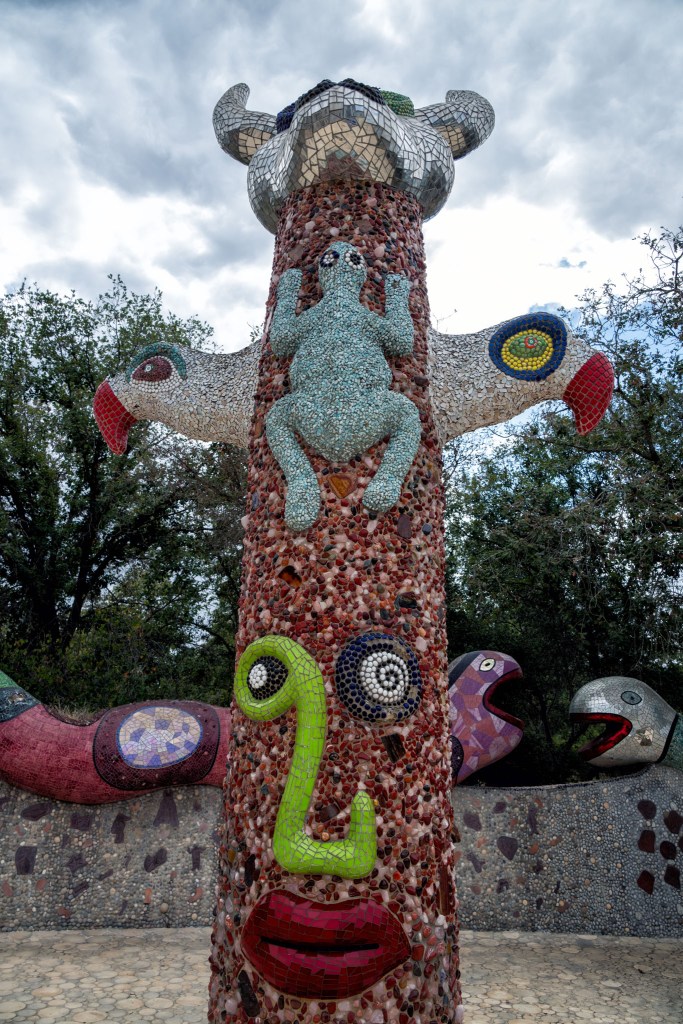
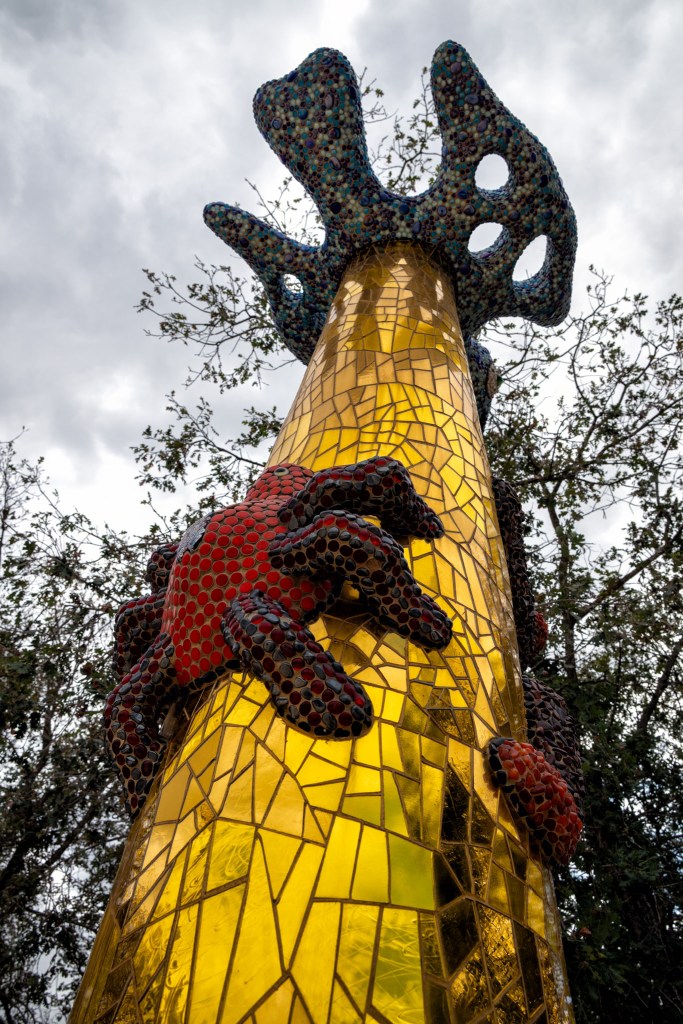
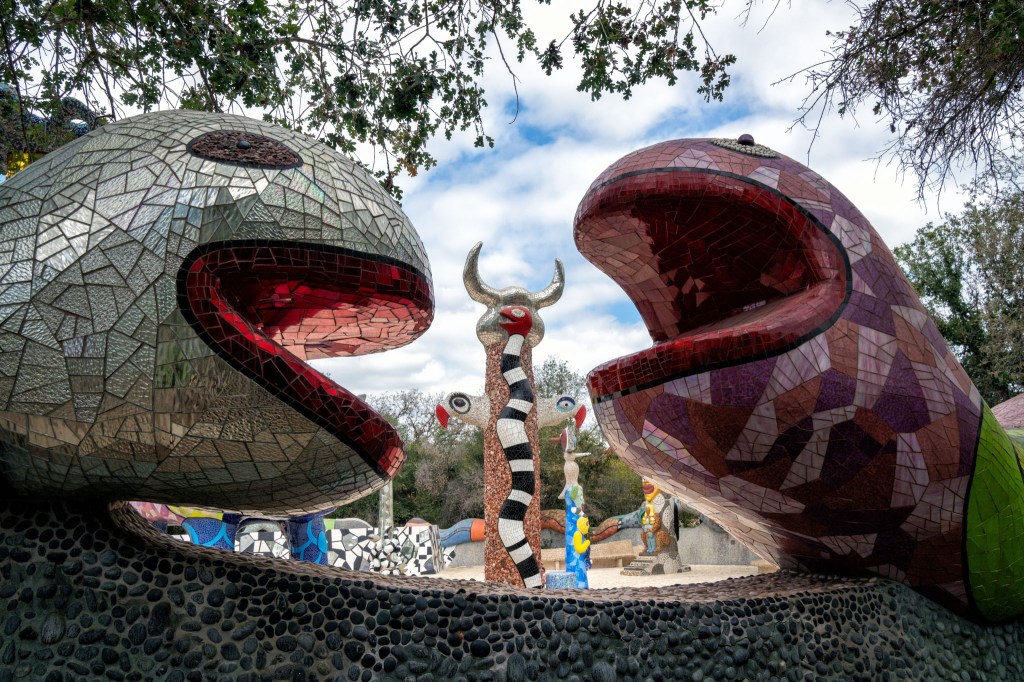
Surrounding Queen Califia are eight monumental totem sculptures representing animals, mythical beings, and spiritual guardians inspired by Native American, Mexican, and pre-Columbian traditions. Brightly colored serpents wind along the enclosing wall, creating both a protective boundary and a playful visual rhythm.
Like much of Saint Phalle’s later work, the sculptures celebrate imagination, feminine power, mythology, and humanity’s relationship with nature. Their exuberant colors and reflective mosaics constantly change with the movement of sunlight, making the garden feel different throughout the day.

Back to Travel Tales | Central & North America

